Early childhood is one of the most important stages in a child’s life. The experiences, learning, and environment during these early years shape how a child thinks, behaves, communicates, and grows. High-quality early learning experiences build a strong foundation not only for school but also for lifelong success.
In this article, we’ll explore the benefits of early childhood education, how it supports early childhood development, and why enrolling children in structured early education programs can make a long-term difference.
What is Early Childhood Education?
Early childhood education (ECE) refers to structured learning programs designed for children typically between ages 3 to 8. This includes preschool, kindergarten, daycare learning environments, and child development programs.
The goal is not just academic learning but also developing emotional, social, physical, and cognitive skills during the most formative years of life.
1. Strong Cognitive Development
One of the biggest benefits of early childhood education is improved brain development.
During the early years, a child’s brain develops rapidly. Quality preschool programs stimulate thinking skills through:
- Problem-solving activities
- Memory games
- Storytelling
- Interactive learning
These activities improve reasoning, curiosity, and the ability to learn faster in later school years. This is a key part of early childhood development that supports lifelong learning ability.
2. Improved Social Skills
Children in preschool environments learn how to interact with others outside their family. This helps them:
- Share and take turns
- Communicate effectively
- Build friendships
- Understand emotions
These preschool learning advantages are essential because social skills developed early often shape future relationships, teamwork, and leadership abilities.
3. Better Emotional Development
Early education programs help children understand and manage emotions. Teachers guide them to express feelings in a healthy way.
Children learn:
- How to handle frustration
- How to deal with separation anxiety
- How to build confidence
- How to show empathy
This emotional strength becomes a foundation for mental well-being in later life.
4. Preparation for Primary School
Children who attend preschool are usually better prepared for formal schooling. They already understand basic classroom structure, such as:
- Following instructions
- Sitting in a group
- Listening to teachers
- Completing small tasks
This reduces stress when they transition into primary school and gives them a head start over children without early learning exposure.
5. Language and Communication Skills
One of the key benefits of early childhood education is rapid language development.
In early education programs, children are exposed to:
- New vocabulary
- Group discussions
- Story reading sessions
- Singing and rhymes
This improves speaking clarity, listening skills, and communication confidence. Strong communication skills are linked to better academic performance later.
6. Encourages Creativity and Imagination
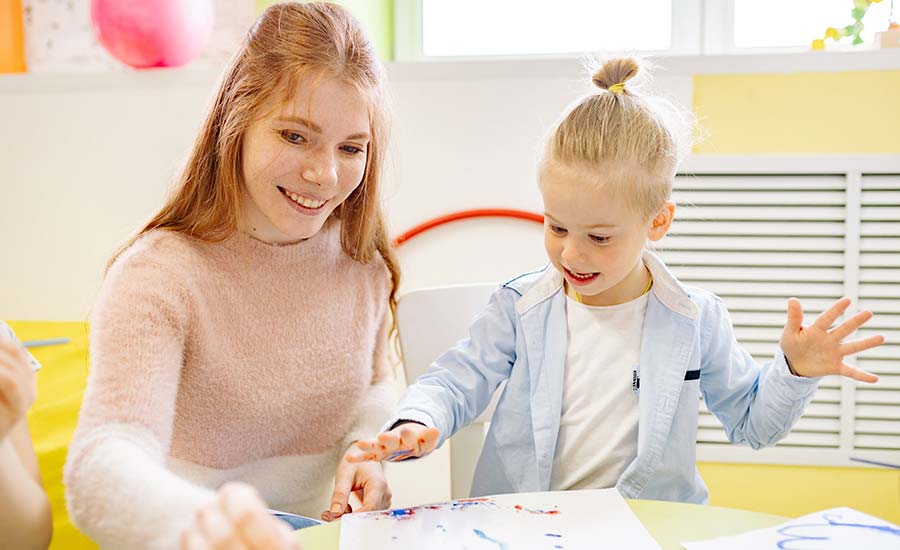
Preschool environments encourage creative expression through:
- Drawing and painting
- Role play and storytelling
- Building blocks and puzzles
- Music and dance activities
These activities help children think creatively, solve problems in unique ways, and develop imagination—skills that are valuable in all future careers.
7. Builds Independence and Confidence
Early education programs encourage children to complete simple tasks on their own, such as:
- Packing their bags
- Cleaning up toys
- Making small decisions
- Trying new activities
This builds independence and self-confidence. Children begin to believe in their abilities, which positively affects their academic journey.
8. Develops Routine and Discipline
Children thrive in structured environments. Preschool introduces them to daily routines such as:
- Fixed learning hours
- Playtime schedules
- Meal times
- Group activities
This structure helps children understand discipline and time management from an early age, which becomes very useful in school and life.
9. Early Detection of Learning Challenges
Another important advantage of child development programs is early identification of learning difficulties or developmental delays.
Teachers and caregivers can notice early signs of:
- Speech delays
- Attention difficulties
- Social challenges
- Learning gaps
Early detection allows parents to take timely action, ensuring the child gets the right support at the right time.
10. Long-Term Academic Success
Research shows that children who attend quality early education programs often perform better academically in later years.
They are more likely to:
- Score higher grades
- Show better reading and math skills
- Stay engaged in school
- Graduate successfully
This long-term impact makes early education one of the most powerful investments in a child’s future.
Why Early Childhood Education Matters
The importance of early learning cannot be ignored. The first few years of life are critical for brain development, personality building, and emotional stability.
Without proper guidance, children may miss key developmental milestones. Early education ensures they receive structured learning, emotional support, and social exposure at the right time.
Key Preschool Education Benefits at a Glance
To summarize, here are the core preschool education benefits:
- Strong brain development
- Better communication skills
- Emotional stability
- Improved social interaction
- School readiness
- Creativity enhancement
- Independence building
- Academic success
Each of these benefits contributes to a child’s overall growth and future success.
Choosing the Right Early Education Program
Not all programs are the same. When selecting a preschool or daycare, parents should consider:
- Qualified and trained teachers
- Safe and clean environment
- Balanced learning and play activities
- Focus on emotional development
- Good communication with parents
A high-quality program ensures your child gets the maximum benefits of early childhood education.
Final Thoughts
Early childhood education is more than just preparing children for school—it shapes who they become in life. From cognitive development to emotional intelligence, the impact is deep and long-lasting.
Investing in early learning is one of the best decisions parents can make. The right start in early education programs builds a strong foundation for lifelong success, confidence, and happiness.
FAQs
1. What are the main benefits of early childhood education?
It improves cognitive skills, social behavior, emotional development, and prepares children for formal schooling.
2. At what age should a child start preschool?
Most children start preschool between ages 3 to 5, depending on readiness.
3. Is early childhood education necessary?
Yes, it helps build foundational skills that strongly influence future academic and personal success.
4. Does preschool improve academic performance?
Yes, children who attend preschool often perform better in reading, writing, and math later in school.
5. What skills do children learn in early education programs?
They learn communication, problem-solving, creativity, discipline, and social interaction.